I cannot imagine what it was like 25 km to the SE of us, on June 10th, 1886. The guests at a hotel that allowed visitors access to the “8th Wonder of the Natural World” and the inhabitants of 7 Maori villages felt the ground start to rumble at about 1:00 am. Then at about 2:00 am, it started:
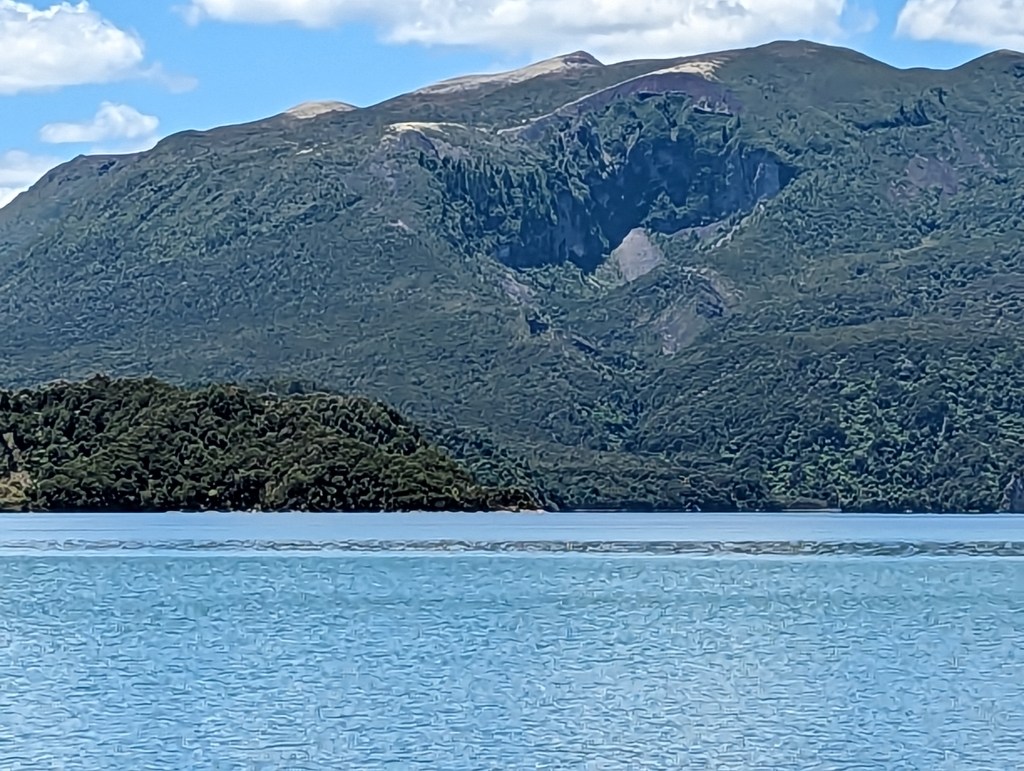
Mt. Tarawera, bordering the world-renowned thermal lakes, erupted.
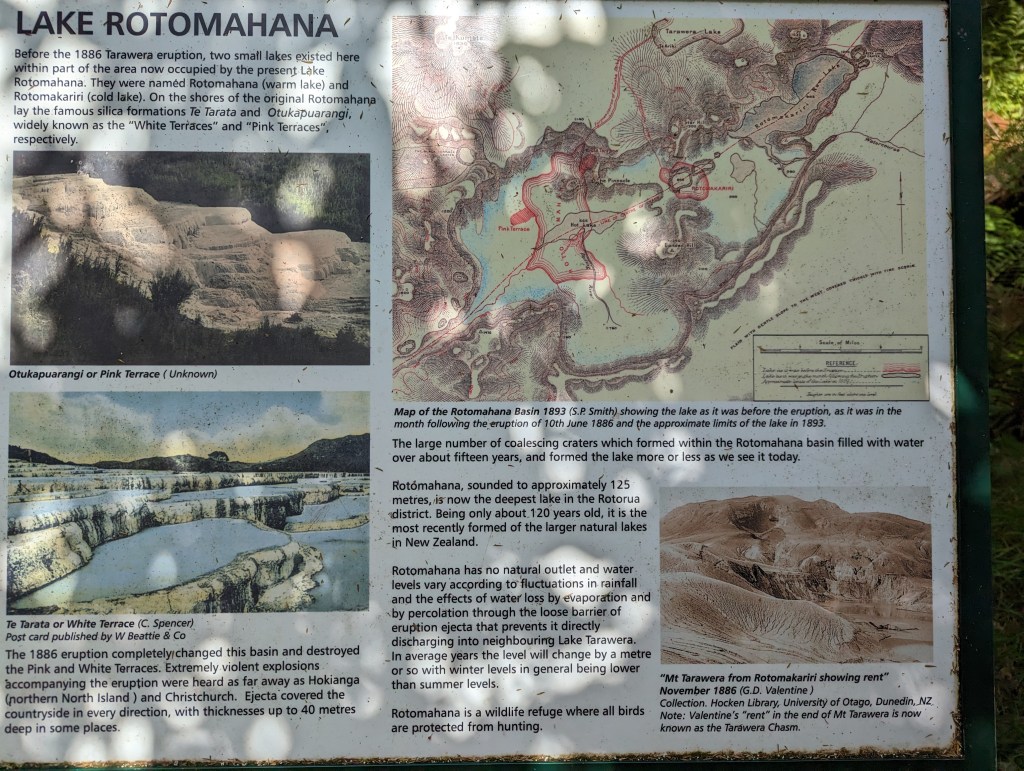
It spread. The world seemed to come apart as a rift zone erupted. By 3:30 am, a 16 km rift zone was exploding, with 21 different ejection sites – calderas – blasting ejecta mixed with water 11 km into the air. By 5:30 am all hell had broken loose. Complete and total destruction on a scale never seen before by people in the area.
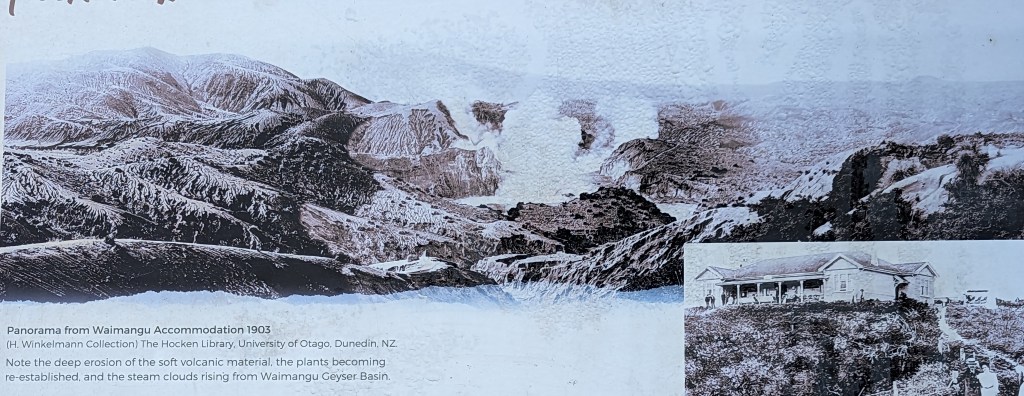
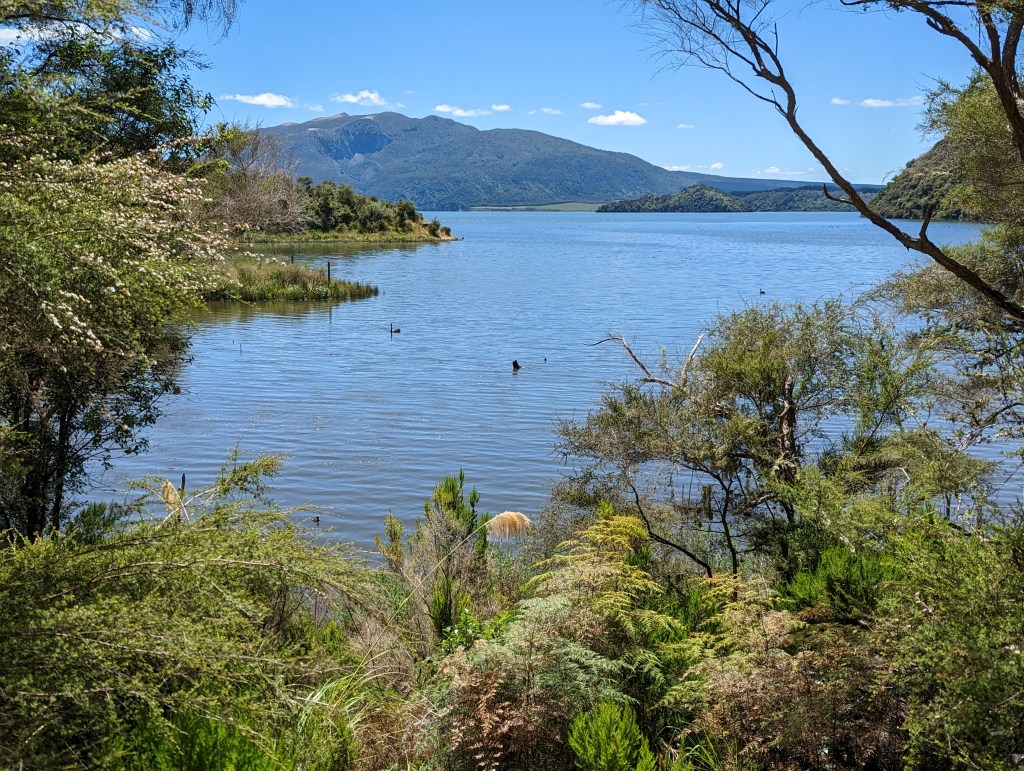
The super-heated ejecta piled up to 40 metres thick, blocking parts of the valley. Eventually a new lake formed (Rotomahana), vastly greater in both size and depth than the original two lakes.
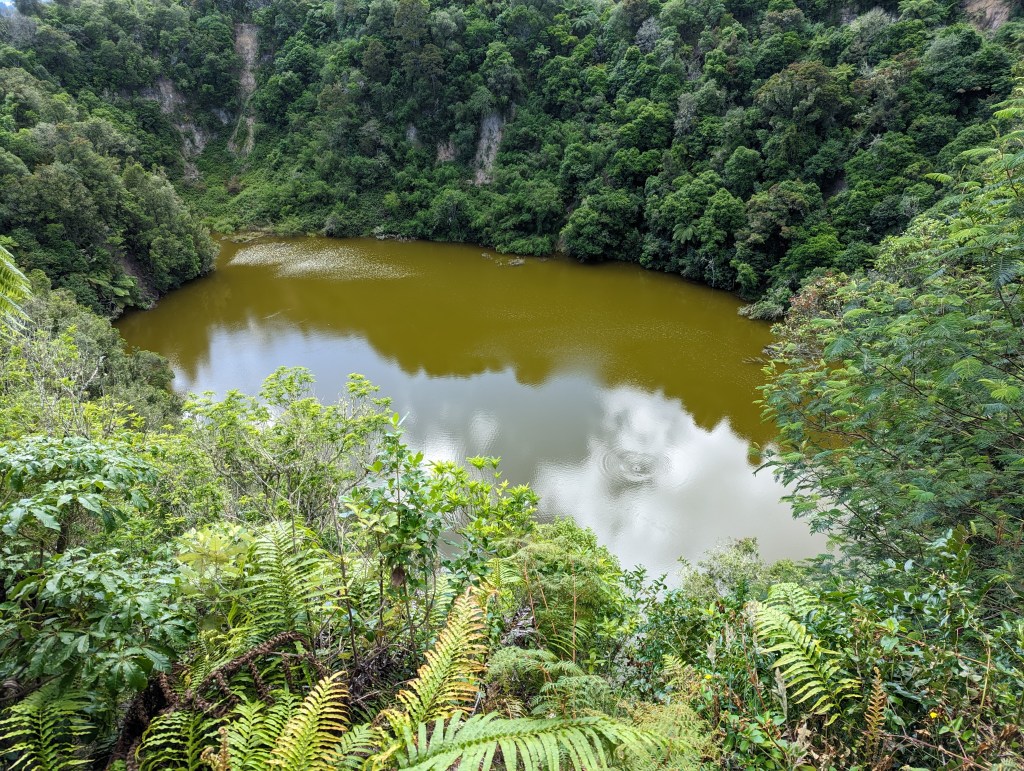
Today the Waimangu volcanic valley contains 7 of the original ejection craters, with 10 under the lake and 4 on what remains of Mt. Tarawera.
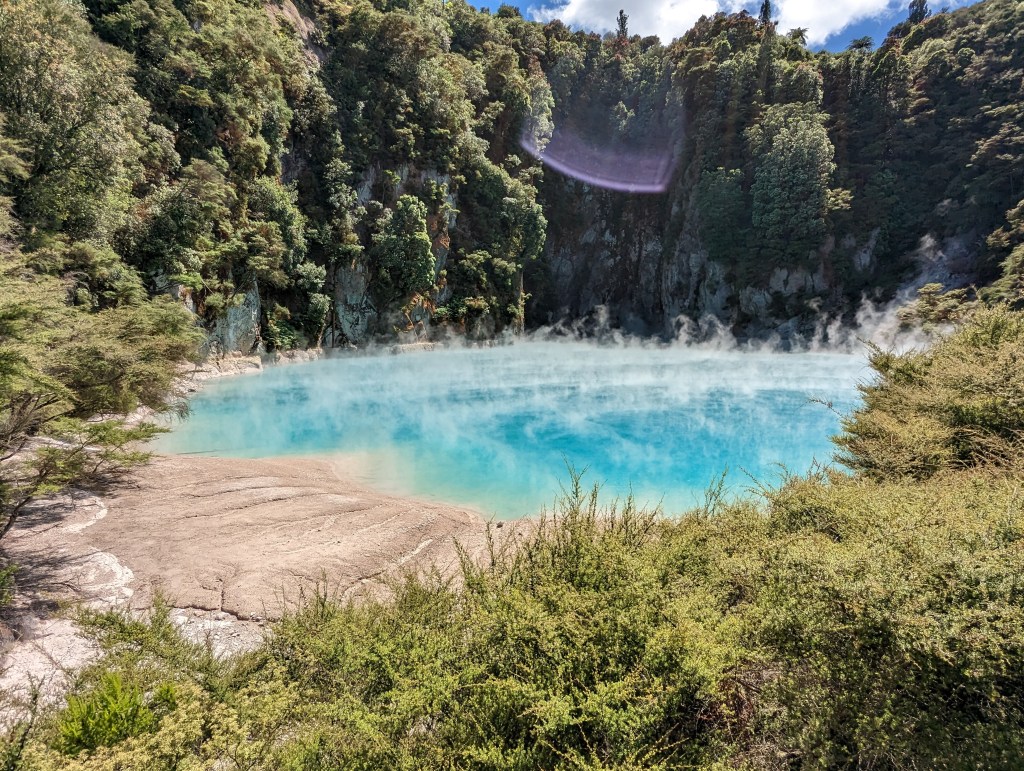
It remains one of the most active volcanic areas on earth.
But seriously, it’s the videos that tell the story:


Leave a Reply